
Home / Skin Conditions / Hair Loss
Hair Loss
A patient education page on hair thinning, shedding, scalp changes, and when to seek dermatologist advice.
Book Consultation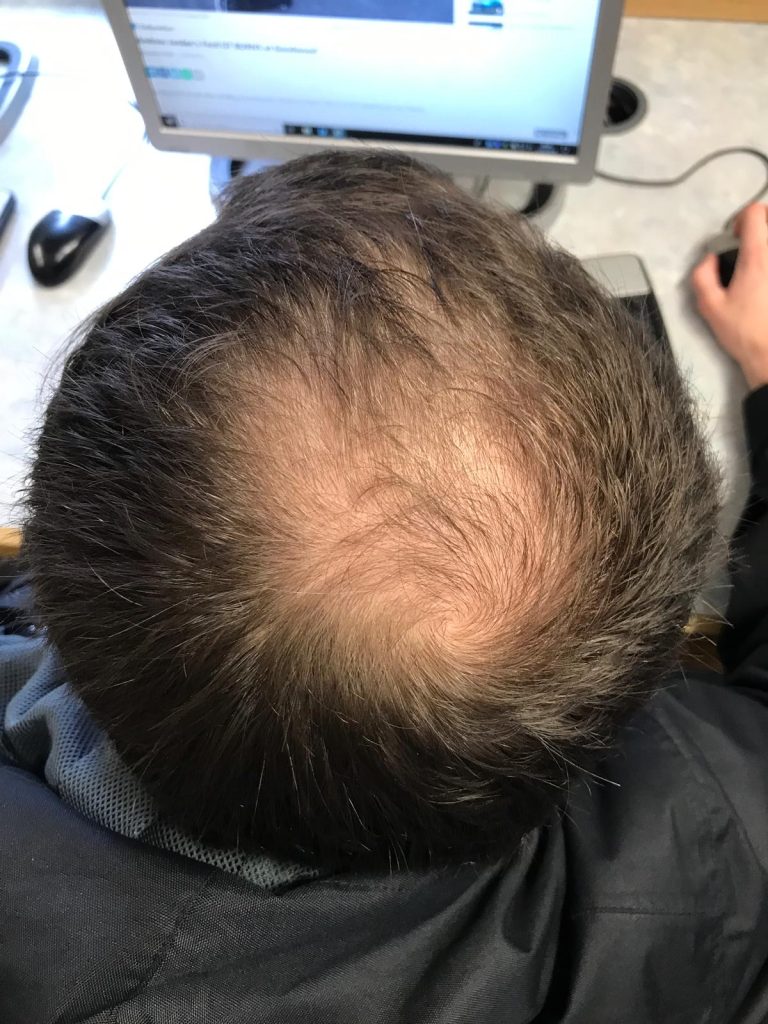
Common Signs
Possible Triggers
When To See A Dermatologist
See a dermatologist if hair loss is sudden, persistent, patchy, or accompanied by scalp irritation. A professional review can help identify whether medical treatment or further workup is appropriate.
Important: Don't Ignore Persistent Symptoms
Chronic skin inflammation can lead to complications like infections and severe flare-ups. Early diagnosis and the right treatment can help you manage symptoms and improve your quality of life.
Treatment Options Available
Hair treatment depends on the pattern of loss, scalp findings, and possible underlying triggers. Consultation is important before choosing products or procedures.
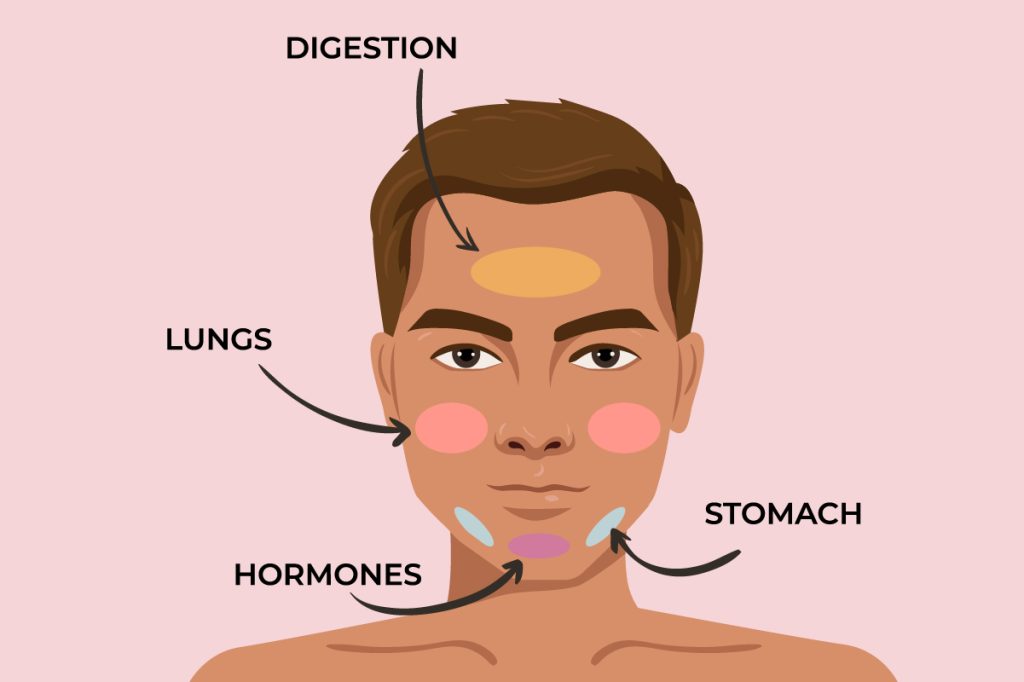
Acne Treatment
A consultation-led acne treatment plan focused on active breakouts, inflammation control, and realistic long-term skin management.
Medical Dermatology
Frequently Asked Questions
Is this skin condition contagious?
That depends on the diagnosis. Many common skin conditions are not contagious, but an accurate assessment is important before assuming the cause.
Can this condition be cured permanently?
Some conditions can be controlled very well, while others tend to flare and settle over time. Treatment goals often focus on safety, relief, and long-term management.
Do I need a consultation before treatment?
Yes. Consultation helps confirm the diagnosis, review triggers, understand severity, and choose treatment options that fit your skin and medical history.
When should I seek dermatologist advice instead of home care?
If symptoms persist, worsen, recur often, interfere with sleep, or seem infected, it is wise to get professional evaluation.
Ready To Get Relief For Your Skin?
Book a consultation with Dr. Amina to get a personalized treatment plan for your skin.
Book Consultation
Disclaimer: This information is for educational purposes only and does not replace professional medical advice, diagnosis, or treatment. Always consult a qualified dermatologist for personalized care.